
When you ask for a road freight quote, the first thing to settle is whether the cargo moves as a full truckload or as part load. That choice decides the price, the delivery time and how many times the cargo is handled along the way.
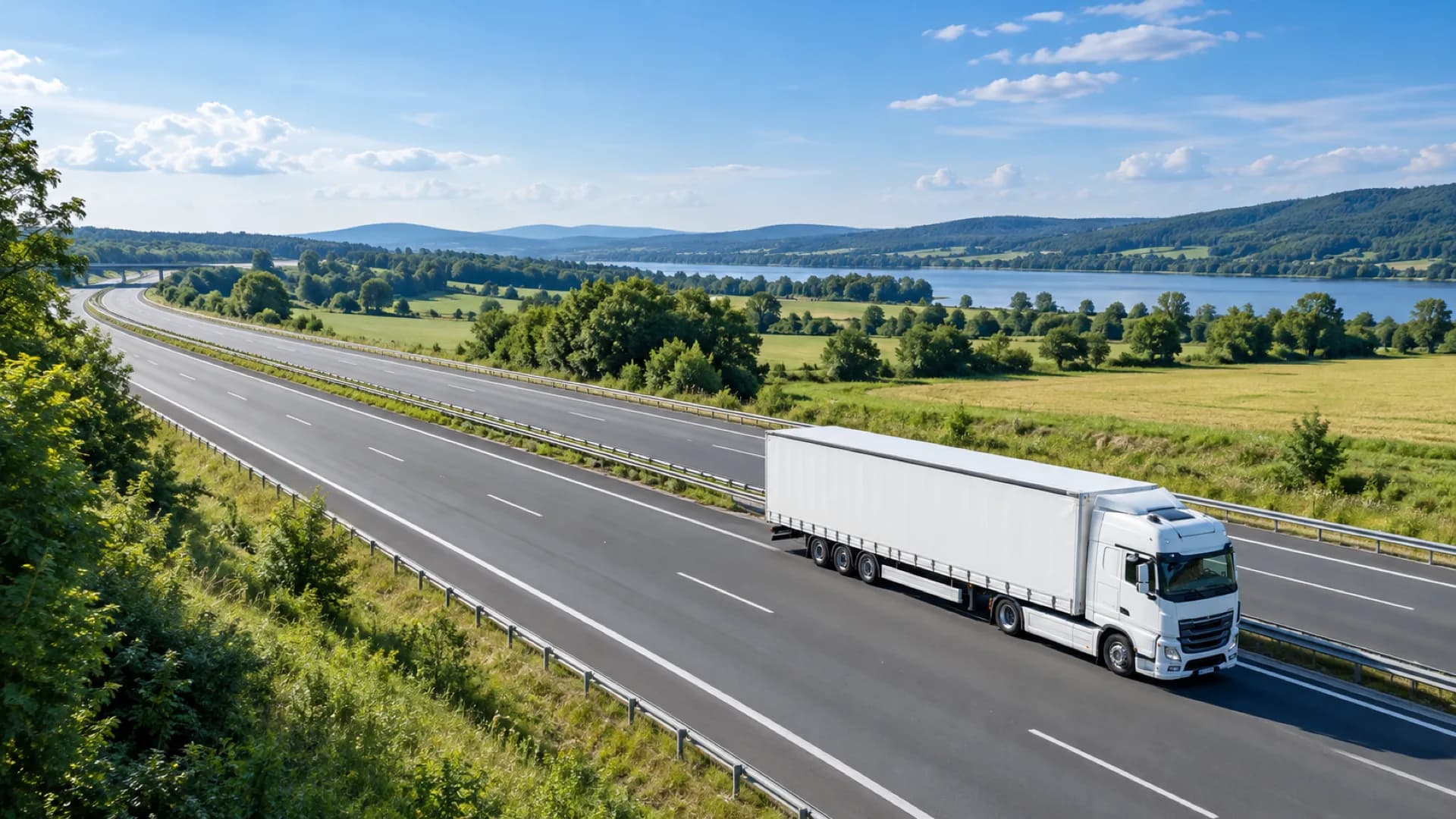
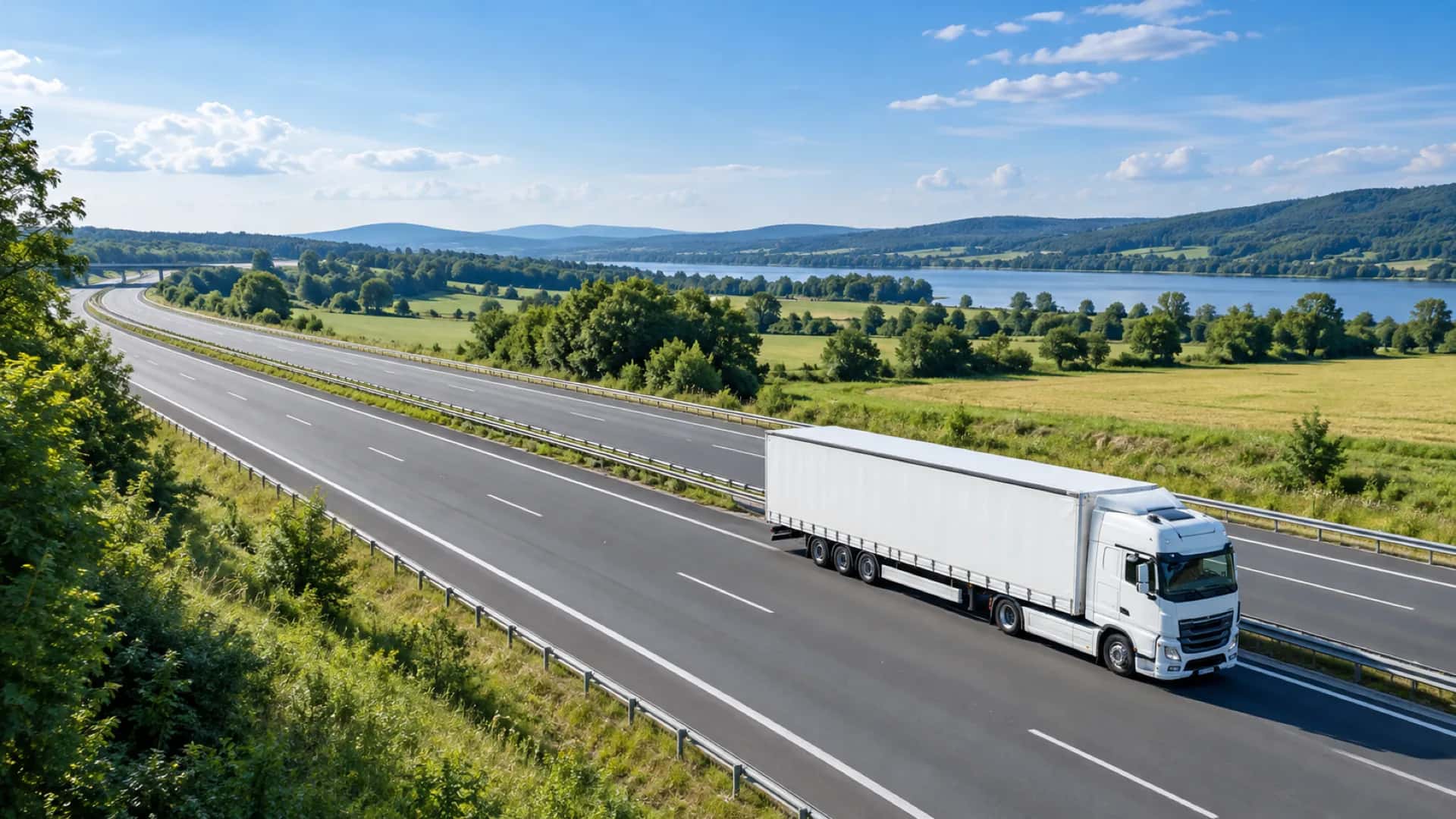
A standard curtain-sided semi-trailer is about 13.6 m long, takes around 33 Euro pallets and carries roughly 24-26 tonnes. Exact figures vary with the vehicle and the road weight rules. How much of that capacity your cargo takes up is where the decision starts.
What a full truckload is
With a full truckload (FTL) the vehicle is hired for you alone. The cargo is loaded at the address you give and goes to the consignee without stopping anywhere else. Even if you do not fill the truck, you pay for the whole truck. The price is usually quoted per truck for a given route. Distance, waiting time at loading and unloading points, whether a return load can be found and the season are the main factors behind it. During harvest and peak export periods, trucks on the same route can be harder to find and prices go up. On the other hand, loading times and delivery days are much easier to plan with a full truckload.
What part load is
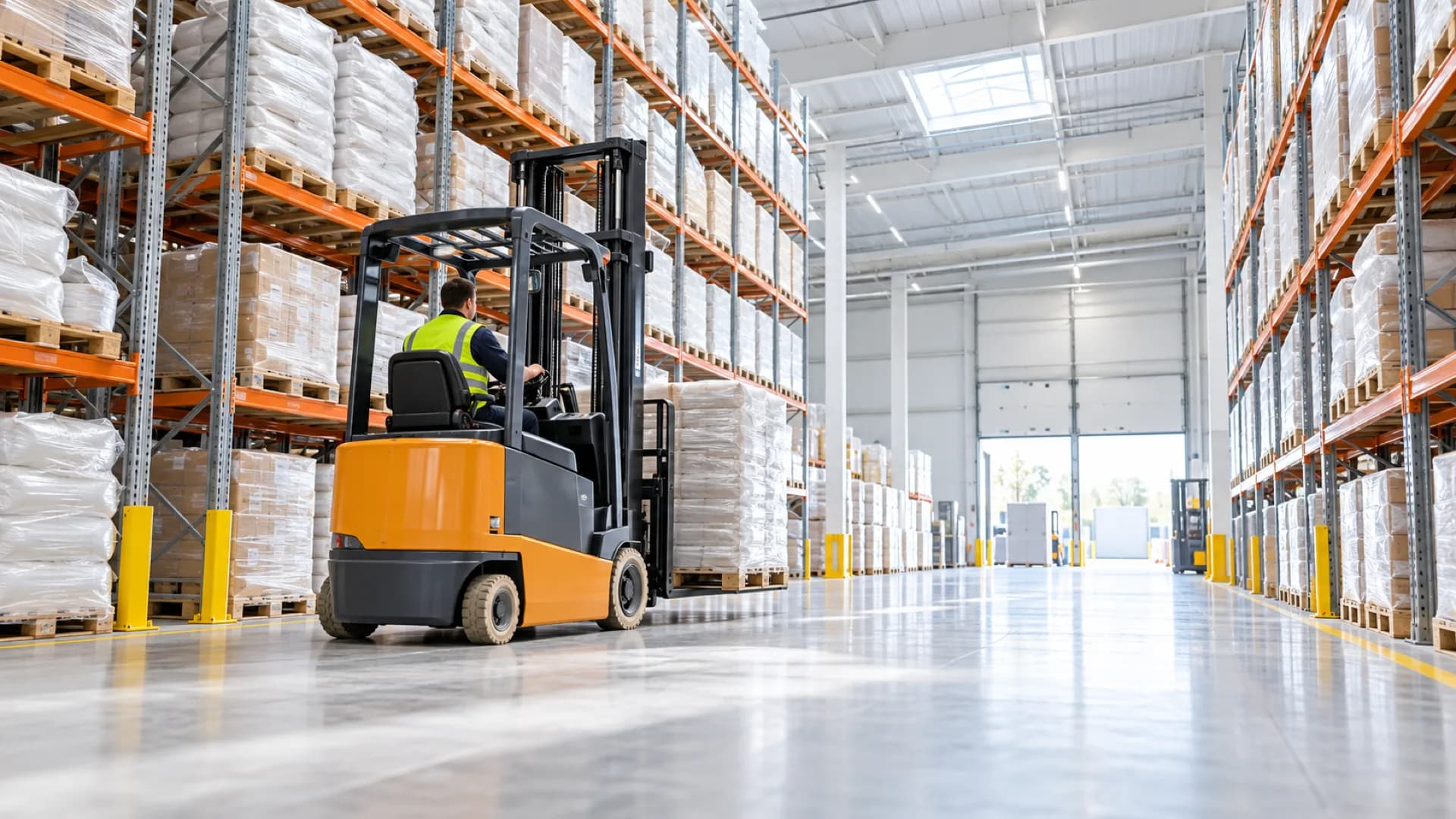
With part load (LTL) your cargo is put on a truck together with goods from other shippers heading the same way. The carrier first collects the loads, often consolidating them at a cross-dock; the truck then sets off, and at destination the loads are split again and delivered. You pay not for the whole truck but for the share your cargo takes up. For a few pallets or a few tonnes, that is a real cost advantage. In return, waiting for the truck to fill, stopping at several addresses and handling at cross-docks make transit longer. The delivery date is also less certain than with a full truckload.
How part load is priced
For part load, the carrier looks at both weight and the space the cargo occupies. The price is usually calculated per kilogram, per cubic metre or per loading metre (the length of truck floor the cargo takes up), and whichever gives the higher charge is used. Light but bulky cargo looks cheap by weight and can turn out expensive by volume. Pallets that cannot be stacked on are charged more, because the space above them cannot be used. When asking for a quote, giving the number of pallets, the pallet size, the gross weight and whether the pallets can be stacked gets you an accurate price.
Transit time and handling
With a full truckload the cargo is loaded once and unloaded once. With part load it may move from a collection vehicle to another truck at a cross-dock and then to a delivery vehicle at destination. Every change of hands means time and a risk of damage. For sacked food cargo, that means torn sacks, crushed packaging or contact with other goods. For products that take up odours, such as pulses, you should also ask whether chemical or strong-smelling cargo will travel on the same truck. If a production line is waiting for the raw material, or the cargo has to make a vessel cut-off, the uncertainty of part load is a risk in its own right.
Which one makes sense when
For a few pallets or a few tonnes with a flexible delivery date, part load makes sense. Once the cargo starts to fill more than half the truck, the part-load charge gets close to the full-truck price. At that point the difference is often small compared with the time saved and the lower handling risk. Full truckloads are preferred for food and sensitive cargo, for shipments with a fixed delivery day and for loads going to a single consignee. In the cases in between, getting a separate price for each option is the right move. If you give FM Port the tonnage, the pallet count and the required delivery date, you can see both options side by side.