

Pulses blog
The questions wholesale buyers ask most before a quote, written up one by one: varieties, storage, packaging and export.
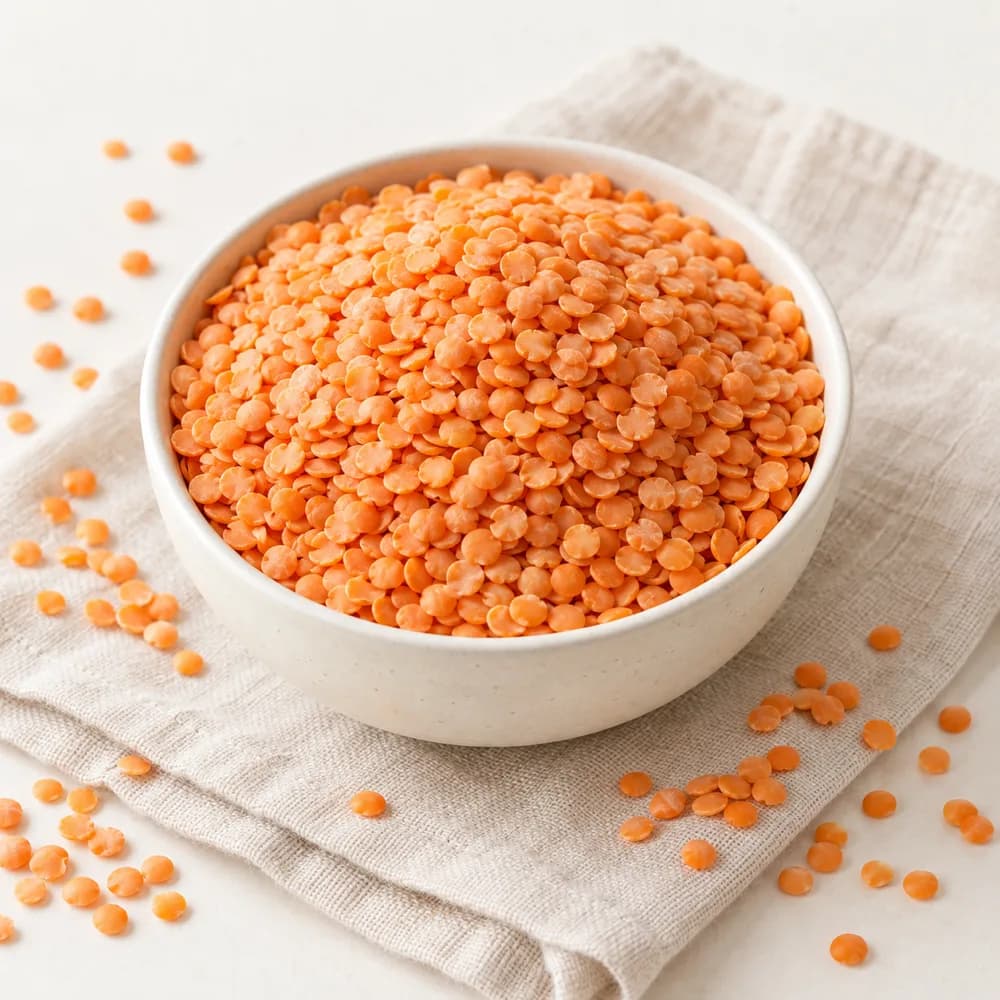
Red Lentil Forms: Whole, Football and Split
Red lentils are traded in three forms: whole with the seed coat on, football (dehulled but not split) and split (dehulled and halved). Split is the fastest to cook and the most widely sold. Football is used where the grain should keep its shape and in retail packs, while whole lentils with the coat on mostly go to processors as raw material.
Read the post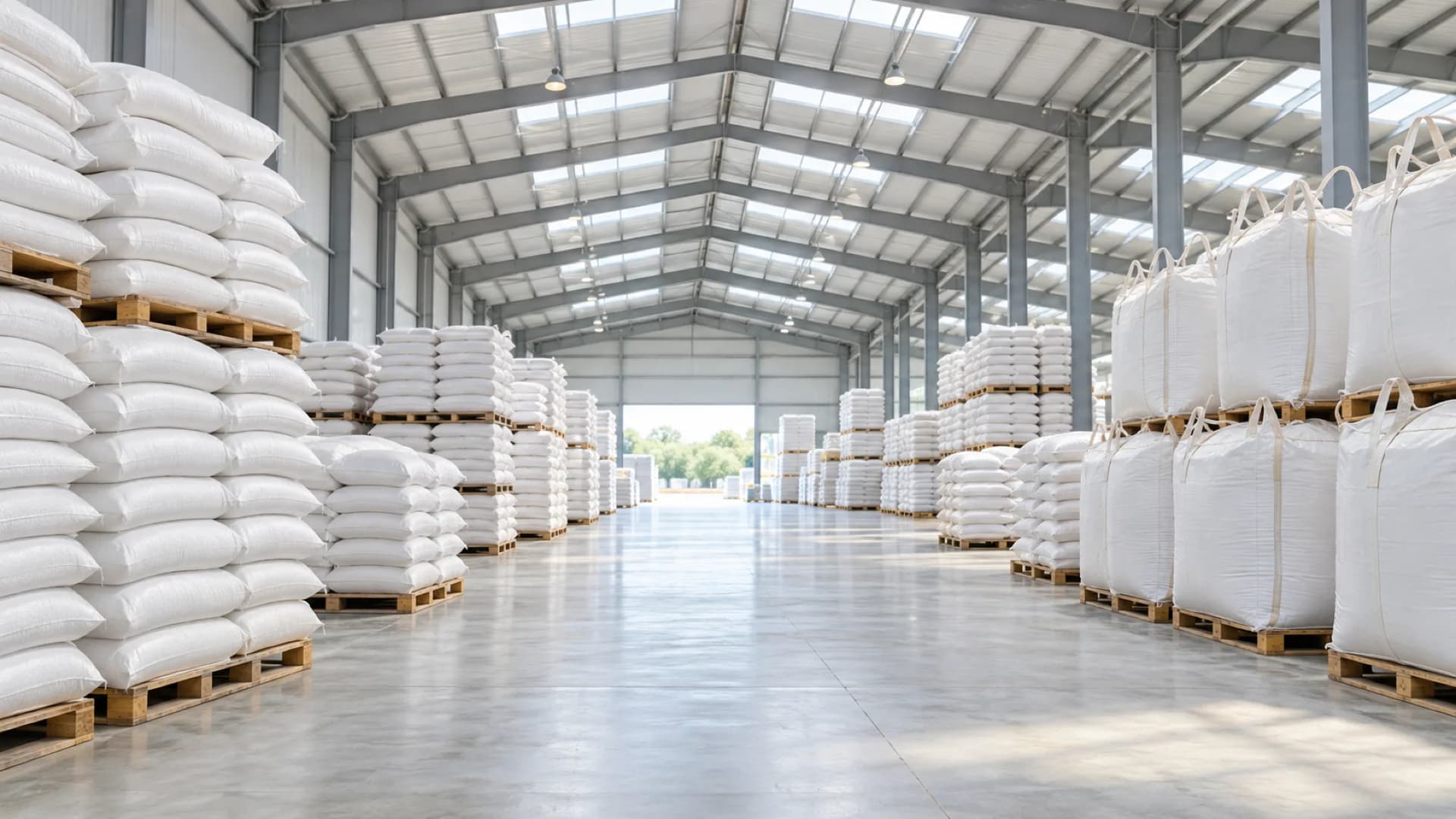
Storing Pulses: Moisture, Heat and Pests
Pulses should be kept in a dry, cool, ventilated store, on pallets clear of the floor and walls. Grain moisture is generally kept below about 13-14%, and insect activity slows as the temperature drops. First in, first out (FIFO) and regular checks are the simplest way to avoid losses.
Read the post
Pulse Export Documents from Turkey and Incoterms
The core documents for exporting pulses from Turkey are the commercial invoice, packing list, certificate of origin, phytosanitary certificate and bill of lading (B/L). Depending on the destination, an analysis report, a fumigation certificate or a preferential origin document may also be required. Incoterms decide at which point freight, insurance and customs costs pass to the buyer.
Read the post